

(photo credit: Microsoft Stock Images)
Food spoilage often feels like a small mistake. A bag of spinach wilts, leftovers sit too long, or fruit goes bad before it is eaten. These moments seem minor, yet they add up across homes, stores, and supply chains. The true cost of wasted food reaches far beyond the kitchen. Looking at these effects helps families make smarter choices and reduce loss.
Financial Impact on Everyday Budgets
Spoiled food leads to direct money loss. Groceries that are thrown away reduce the value of each shopping trip. Over time, this can put pressure on a family budget. Even a few wasted items each week can add up over months.
Businesses face similar losses. Stores and restaurants must cover the cost of unsold food. These losses often lead to higher prices, which affect every shopper. Reducing waste at home helps stretch spending and supports better habits across the board.
Environmental Strain From Food Waste
Food production uses land, water, and energy. When food is thrown away, these resources are lost as well. Crops require care, transport needs fuel, and storage depends on energy. Spoilage means all that effort goes unused.
Landfills also feel the impact. Decomposing food releases gases that affect air quality and contribute to environmental damage. Packaging plays a role too. Improved solutions like digitally printed packaging can help protect food during transport and storage, which may reduce spoilage.
Health Risks Linked to Spoiled Food
Eating spoiled food can lead to illness. Bacteria grow quickly when food is stored for too long or kept at the wrong temperature. This can cause stomach issues and other health concerns, especially for children and older adults.
Confusion about expiration dates can also create risk. Clear labeling and proper storage practices help families avoid these problems. Paying attention to how food looks, smells, and feels adds another layer of safety in daily routines.
Building Better Daily Habits
Small changes can reduce food waste. Planning meals ahead of time helps families buy only what they need. Storing food correctly keeps it fresh longer and reduces the chance of spoilage. Regularly checking the fridge and pantry prevents items from being forgotten.
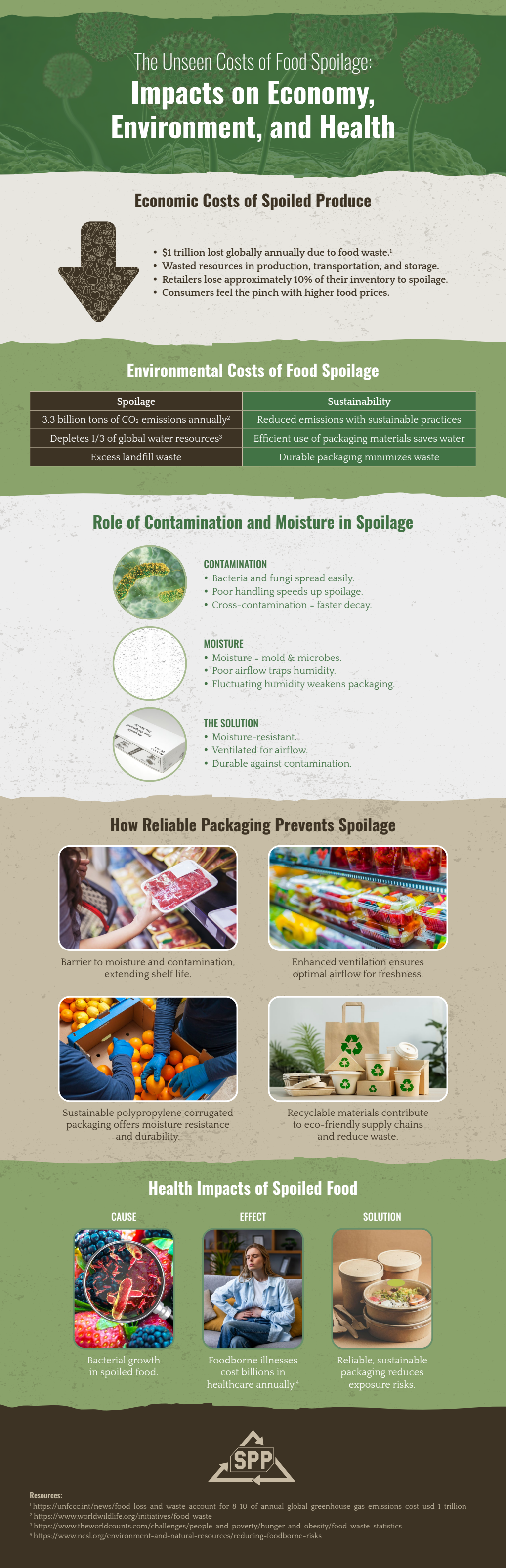
Food spoilage carries hidden costs that affect daily life in many ways. Paying closer attention to how food is stored and used can help families protect their budgets and support a healthier home. For more information on the unseen food costs of food spoilage, look over the infographic below.
More Posts You’ll Love:
Can You Freeze Plantain? How to Store Plantains
10 Easy Ways to Save Money on Groceries (without coupons)
The Best Macaroni Salad Recipe

Hi, I’m Jessica! I am wife to Chris, and mom to Kaip, Alana and Koa. I am a website developer and blogger. In this space, I share about everything from parenting, making money from home, recipes, mom lifestyle, and things for kids! Learn more about me here.
