

(photo credit: Microsoft Stock Images)
Teen burnout is becoming more common, yet it often goes unnoticed. Many teens face pressure from school, activities, and social expectations. Over time, this pressure can lead to emotional and physical exhaustion. Parents play a key role in spotting early signs and helping teens regain balance.
What Causes Teen Burnout
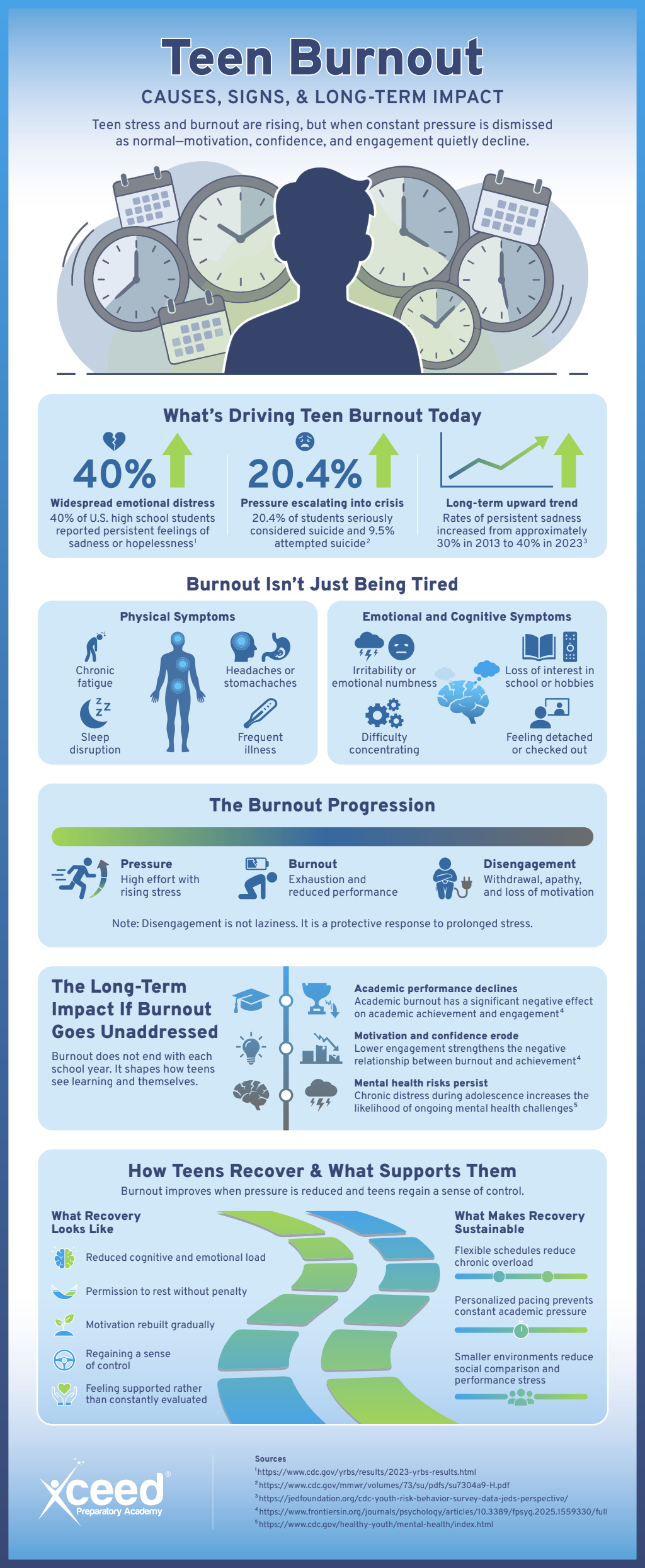
Burnout often builds from ongoing stress. Heavy academic workloads, packed schedules, and high expectations can push teens past their limits. Some teens feel pressure to perform well in private schools or competitive environments where standards are high.
Social media can add another layer. Constant comparison and the need to stay connected can reduce rest and increase stress.
Lack of downtime is a major factor. Without time to relax, teens have little chance to recover from daily demands.
Common Signs to Watch For
Burnout can show up in different ways. Emotional signs may include irritability, sadness, or a loss of interest in activities they once enjoyed. Physical symptoms can include fatigue, headaches, or changes in sleep patterns. Academic performance may also shift. A teen who once stayed organized may begin missing assignments or struggling to focus.
Behavior changes can be subtle at first. Paying attention to patterns over time can help parents notice when something is off.
Long-Term Impact on Health
If burnout continues, it can affect both mental and physical health. Ongoing stress may lead to anxiety or depression. Sleep problems can become more serious and affect daily functioning.
Burnout can also shape how teens approach challenges in the future. They may become less motivated or feel discouraged when facing new goals. Early support can reduce these risks and help teens build healthier coping habits.
Supporting Recovery and Balance
Helping teens manage burnout starts with open communication. Creating a safe space for them to talk about stress can make a difference. Listening without judgment helps build trust.
Encouraging balance is also important. Teens need time for rest, hobbies, and social connections. Adjusting schedules or reducing pressure can support recovery.
Professional support may be helpful if symptoms continue. Guidance from counselors or healthcare providers can offer additional tools that could be of help.
Teen burnout is a serious issue that can affect many areas of life. With awareness and support, parents can help teens regain energy, build resilience, and move forward with greater confidence. For more information on the cause and impact of teen burnout, feel free to look over the accompanying infographic below.
More Posts You’ll Love:
Parent-Child Date Ideas + One-on-One Time with Kids
The “One Gift Per Year” Rule: Life Changing Hack for Parents
How to Get Your Kids to Stop Fighting: from Real Moms

Hi, I’m Jessica! I am wife to Chris, and mom to Kaip, Alana and Koa. I am a website developer and blogger. In this space, I share about everything from parenting, making money from home, recipes, mom lifestyle, and things for kids! Learn more about me here.
